
In today’s competitive packaging industry, brands are constantly looking for ways to improve product appearance, durability, and production efficiency. In mold labeling (IML) is one of the most innovative technologies that helps achieve all three goals at once.
This guide explains everything you need to know about in mold labeling: what it is, how the IML process works, what materials are used, the key benefits, and how it is applied across different industries.
I. Introduction to In Mold Labeling
In mold labeling is a process in which a printed label is placed inside a mold before molten plastic is injected. During molding, the label fuses with the plastic, so it becomes a functional and permanent part of the finished product rather than a separate sticker.
In mold labeling typically uses pressure-sensitive printed labels that are designed to bond with plastic during manufacturing. The resulting IML containers are:
- Durable and long-lasting
- Reusable in many applications
- More environmentally friendly compared to traditional label–container combinations
The two most common manufacturing technologies used for producing in mold labeling containers are:
- Injection molding
- Blow molding
For turnkey in mold labeling solutions, labels are automatically inserted into the mold, and then fused into the plastic substrate. This integrated approach improves label coating quality, label performance during recycling, and overall product appearance. By matching IML containers with precisely engineered molds, brands can create professional-looking plastic products with consistent, high-quality decoration.
In short, in mold labeling is transforming the way plastic containers are designed and manufactured across the industry.
II. Definition of In Mold Labeling (IML)
What Is In Mold Labeling?
In mold labeling is a labeling technique that differs fundamentally from conventional post-molding labeling methods. Instead of applying labels to the outer surface of industrial plastic packaging after it is produced, IML embeds the label during the packaging manufacturing process.
This is done using:
- Thermoforming, or
- Injection molding
In both cases, the label substrate is placed inside the mold before molding begins. As the plastic melts and forms the container, the label becomes an integral part of the package.
Materials Used in In Mold Labeling
In mold labeling relies on thermoplastic label materials such as:
- Polypropylene (PP)
- Polyethylene (PE)
These materials:
- Are compatible with the plastic resin used in the container
- Can be fused with the packaging material
- Create a strong, durable bond that does not peel off or wash away
Because the label and the container are made from similar or compatible plastics, in mold labeling also supports more efficient recycling streams.
Benefits of Using In Mold Labeling (Overview)
Using in mold labeling offers several advantages for packaging producers, brand owners, and converters:
- Cost reduction: Eliminates separate paper or plastic label application systems
- Higher productivity: Combines decoration and molding into one process
- Design flexibility: Supports creative shapes and designs, especially for products like shampoo bottles, home care bottles, and other consumer packaging
These benefits make in mold labeling an attractive choice for modern, brand-driven packaging.
III. The In Mold Labeling Process
The in mold labeling process involves inserting a pre-printed label or decorative film into a mold before the plastic material is injected or blown. When molten plastic enters the mold, it presses against the label, and the two materials fuse to form a single component.
This process results in:
- A high-quality label finish
- A label that is long-lasting and resistant to damage
To achieve precise and repeatable results, in mold labeling typically uses:
- Robotic systems for label handling and placement
- Specialized injection molding and blow molding equipment
- Custom-designed molds that match the container and label geometry
Challenges in the In Mold Labeling Process
Like any advanced technology, in mold labeling comes with some technical challenges:
- Label Material Selection
Manufacturers must work with label suppliers who can provide:- Durable synthetic paper or cavitated label materials
- Sufficient hardness and resistance to impact and scratching
This is critical when IML is used on plastic bottles that may contain aggressive products or face rough handling.
- Electrostatic Charging for Label Adhesion
During injection, labels must stay accurately positioned. An electrostatic charge is often applied to help labels adhere to the mold surface.
Challenges include:- Ensuring a stable electrostatic charge
- Avoiding label movement or misalignment
- Possible Technical Solutions
To overcome these issues, manufacturers may:- Use polycarbonate or other robust plastics to enhance abrasion and chemical resistance
- Apply air pressure to remove any unwanted static buildup before filling and finishing at the product line
With proper engineering and process control, these challenges can be effectively managed, allowing in mold labeling to deliver reliable, high-quality results.
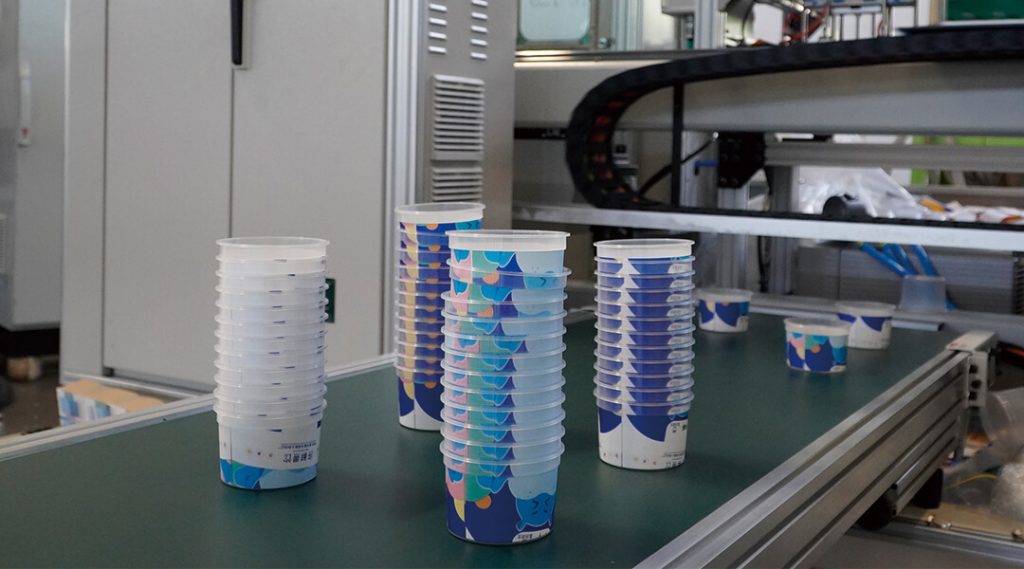
IV. Key Benefits of In Mold Labeling
In mold labeling offers multiple performance and aesthetic advantages over traditional labeling systems.
1. Superior Durability and Scratch Resistance
One major benefit of in mold labeling is the exceptional durability of the decorated surface:
- The inks used in IML are highly robust and nearly scratch-proof.
- Because the label becomes a permanent part of the molded plastic, it takes on the exact shape of the mold and is not just sitting on the surface.
In many IML structures, a porous layer is sandwiched between two thin solid layers, which enhances:
- Water resistance
- Protection against environmental stress, such as moisture, handling, and temperature changes
2. Improved Aesthetics and Design Possibilities
In mold labeling enables more attractive and visually sophisticated designs:
- High-resolution graphics and photographic images
- Special effects using coatings, metallic inks, and advanced printing techniques
- Consistent, edge-to-edge decoration without bubbles, wrinkles, or misalignment
Because pressure-sensitive labels and various coatings can be incorporated within the IML system, finished products can achieve a premium look that stands out on the shelf.
V. In Mold Labeling Uses and Key Industries
In mold labeling (IML) is widely used across multiple industries to enhance product appearance, provide critical information, and protect surfaces.
1. Automotive Industry
In the automotive sector, in mold labeling is commonly used for:
- Identification of parts
- Functional labeling and icons
- Decorative trim on components such as:
- Dashboards
- Interior panels
- Control elements
IML helps ensure that labels and markings on automotive parts are durable, legible, and resistant to wear over the lifetime of the vehicle.
2. Food and Beverage Industry
The food and beverages sector is one of the largest users of in mold labeling. Brands and manufacturers, including major companies like Procter & Gamble and Owens-Illinois, apply IML for:
- Yogurt cups and dairy containers
- Beverage bottles
- Food tubs and trays
In mold labeling allows them to:
- Deliver high-impact branding
- Show nutritional and regulatory information
- Maintain label integrity in refrigerated or frozen conditions
Case Studies and Proven Results
Real-world case studies of in mold labeling show several consistent outcomes:
- Increased label and part durability: Thanks to electrostatic forces and the fusion of label and plastic, labels stay firmly attached and resist everyday wear.
- Cost reductions: Companies report lower overall labeling costs due to:
- Reduced manual labor
- Fewer separate labeling steps
- Less waste and rework
- Improved product appearance: Laminated films, metallic inks, lithographic printing, and special coatings all combine to create a higher-end, more appealing product presentation.
These results explain why more brands and manufacturers are shifting from traditional labels to in mold labeling solutions.
VI. Conclusion: The Impact of In Mold Labeling on Packaging
In mold labeling has become a powerful technology in the packaging industry because it combines decoration and molding into a single, efficient process. By printing labels and fusing them into the packaging material during injection molding or thermoforming, IML:
- Reduces the need for separate labeling steps
- Improves production efficiency
- Minimizes the risk of labels peeling, wrinkling, or being damaged during handling
The use of static electricity to hold labels in place ensures precise application and consistent quality on the container surface.
Overall, in mold labeling has had a significant impact on how packaging is designed and produced, offering a more advanced and long-lasting labeling method. As technology continues to evolve, further innovations in in mold labeling are expected, bringing even greater performance, design flexibility, and sustainability to the production of modern packaging materials.